
The authors suggest someone with AUD has a higher risk of developing an anxiety disorder and vice versa. People with AUD may have a higher risk of developing an anxiety disorder, such as generalized anxiety disorder or social anxiety. Talk to friends or family members who may understand what you’re going through.
Why Is Anxiety Worse After Drinking?
Get enough sleep before and after drinking to help your body recover and reduce the risk of hangxiety. Alcohol can affect your brain chemistry by temporarily boosting feelings of happiness and relaxation. However, as your body processes the alcohol, these positive effects begin to fade. Alcohol is actually a sedative so your body releases adrenalin, a natural energy booster, to counter its sedating effects. Whether you’re prone to anxiety hangovers or just curious about the link between alcohol and mental Drug rehabilitation health, let’s get into some science-backed strategies to help protect your mind the next time you raise a glass.
Shyness vs social anxiety: Are they the same?
About 3.1% of the U.S. population is affected by generalized anxiety disorder, according to the Anxiety & Depression Association of America. If you’re feeling nervous about being in a social setting, you may pour yourself a glass of wine to self-regulate any stress. Let’s say you drink a beer and martini but you don’t drink any water in between. Alcohol is a diuretic, meaning it makes you lose why does alcohol cause anxiety water through peeing, so it’s very important to drink plenty of water as well when you’re drinking alcohol.
Practical Implementation: Your 7-Day Hangxiety Management Plan
The effects on the central nervous system can slow down the brain, temporarily reducing anxiety. As the alcohol wears off, though, the nervous system can go into a hyperactive state, increasing anxiety. Alcohol poisoning can result in serious consequences because alcohol can affect life-supporting functions such as breathing, consciousness, and heart activity. If you think you or a loved one might have an alcohol use disorder, consider taking this quiz to see if you need to reach out for professional help.
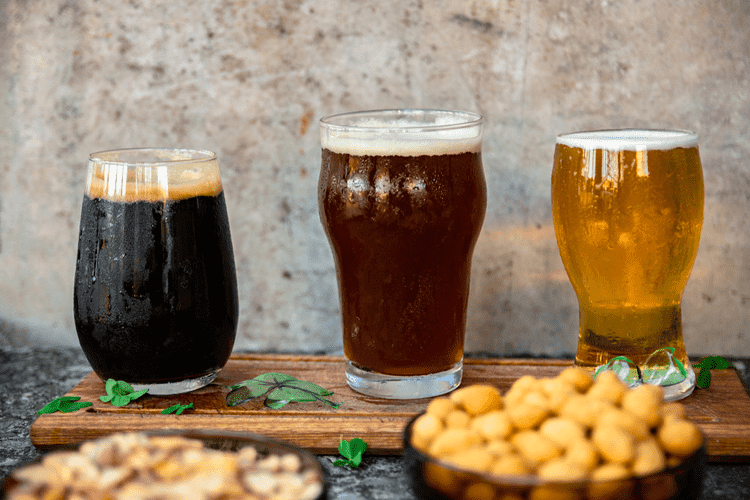
Choose your drinks wisely
Even taking a light walk when you notice anxious thoughts can make a huge difference. The key is to find a calming activity that can help break the cycle of anxiety. Get therapy and medical care—just $25 with insurance, no hidden fees— for alcohol recovery, depression, everyday illnesses, and more. At Talkiatry, we specialize in psychiatry, meaning the diagnosis and treatment of mental health conditions.
- Around 20% of people with anxiety disorders report self-medicating with alcohol.
- Let’s say you drink a beer and martini but you don’t drink any water in between.
- However, the brain adjusts to these sedating effects and when the alcohol wears off, “activity in the stress circuitry is higher than normal,” which leads to greater levels of anxiety and general dysphoria, Koob said.
- While under the influence of alcohol, you may release your inhibitions, feel your mood improved, and enjoy yourself.
- These activities may involve other people, or can be self-care practices you do alone, such as taking a bath, practicing yoga, or reading.
- The distinction is important, because symptoms might be only temporary, whereas true psychiatric disorders are likely to require long-term and more intensive treatments, including psychotherapy and medication.
- People who experience hangovers may also have fears about what they did, if they embarrassed themselves, or if they encountered any dangerous situations while drinking.
- By reducing alcohol intake and seeking healthier ways to manage anxiety, you can break free from the cycle of dependence and improve your overall well-being.
- Because of the lower alcohol content, we can typically drink more lager over a longer period.
The development of alcohol dependence is a complex process influenced by neurobiological and environmental factors. Continued excessive alcohol consumption can lead to neuroadaptive changes that result in tolerance and physiological dependence. These changes affect the body’s stress response system, making it more difficult to manage stress and anxiety without alcohol. As dependence progresses, individuals may find themselves constantly thinking about alcohol or engaging in activities to obtain or recover from its effects. To manage post-drinking anxiety, it is important to focus on rehydration, rest, and avoiding stimulant drugs. Eating something and engaging in relaxing activities can also help ease anxiety symptoms.
While quitting alcohol can lead to increased anxiety in the short-term, it’s one of the best things you can do to help minimize anxiety in the long-term. When you stop drinking, you can say goodbye to hangxiety and shame about what you may have said or done when under the influence. Plus, without the influence of alcohol, you’re able to take actions as your truest self, which leads to an increased sense of confidence and self-worth. If you struggle with underlying anxiety, removing alcohol can help you focus on developing healthier and more effective strategies for coping. Overall, quitting or cutting back on drinking can have a tremendous positive impact on your mental health. For many, anxiety levels can improve within three weeks without drinking.